


LOUISVILLE, Ky. (WDRB) — When it comes to your garden or outdoor landscaping, sometimes it can be best to work smarter, not harder. We do that with perennials. They die back in the winter and return every spring.
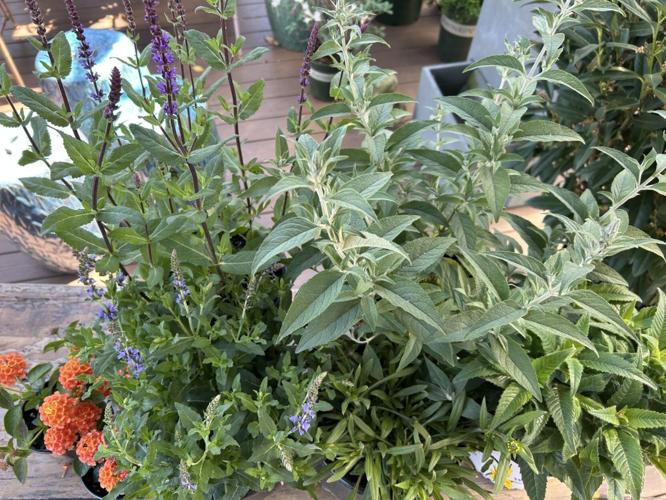
Popular sun-loving perennials include salvia, the so-called butterfly bush, black-eyed susan and bee balm.
"We have some great summer blooming perennials that are going to provide color for you June, July August," said Jeff Wallitsch of Wallitsch Gardens. "And they're also great because they will attract hummingbirds and butterflies."
Perennial salvia comes in different shapes and sizes.
"They last a really long time while blooming, and a lot of times when they're finished blooming, you can cut them back and they'll rebloom sometimes too," Wallitsch said.
The so-called butterfly bush loves the heat and humidity. It will produce tubular blooms during the summer. Make sure to keep it tidy.
"Basically taking any of the flowers that are done blooming and you just cut them off. That will also promote more flowers," he said.
Black-eyed susan and bee balm are also summer classics that typically don’t start blooming until July. In between perennial blooms, you could also add some annual plants like lantana for a pop of color.
While the sunny areas in your yard may look bountiful, there’s no need to leave the shaded areas neglected.
"Everyone forgets about shade, but I absolutely love shade," Wallitsch said.
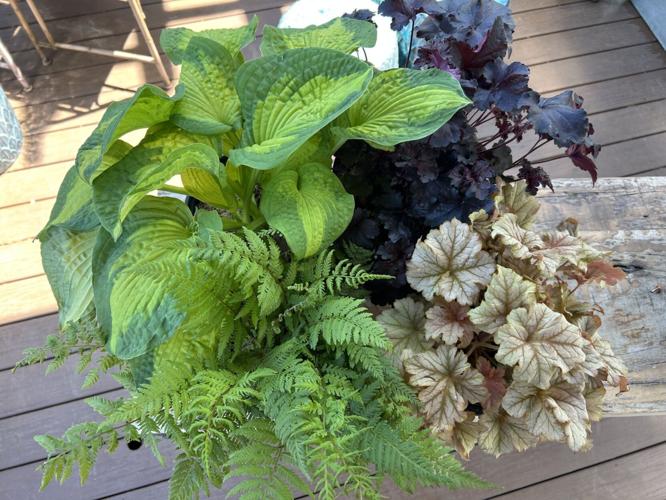
Popular perennial shade plants include hostas, heucheras and ferns.
"One thing though that a lot of people struggle with is that it's not necessarily a lot of flowers in shade. But there are so many different color foliage, different textures, different greens," Wallitsch said. "There's so many different cool hostas, which I absolutely love... there's one that gets five to six feet tall."
And if you're a person who just can't seem to keep any plant alive, the hosta is for you.
"They're going to be here with the twinkies when we have our apocalypse that happens," he said.
Both the sun and shade perennials will need a little more love and care that first year to get them established. After that, they're pretty low maintenance.
Copyright 2026 WDRB Media. All Rights Reserved.


