
LOUISVILLE, Ky. (WDRB) – The Preakness Stakes has always had a far different feel from the Kentucky Derby.
The Derby arrives dressed for television. The Preakness shows up with its collar unbuttoned and a story to tell.
That has always been part of the charm.
The Preakness has always felt more intimate. More personal. More horse-racing-first. Horsemen love that about it. A lot of media members do, too. The people who spend time around the event tend to speak about it with real affection.
I know I do.
Louisville | Kentucky | Indiana | Eric Crawford
I've enjoyed every chance I've had to cover the race. There's something about walking onto that old Baltimore property during Preakness week and feeling the history underneath your shoes.
The place breathes racing. But for years now, it has also wheezed.
I was at Pimlico on Preakness Day when plumbing problems knocked out bathrooms in the grandstand. I've walked into the media tent hours before one of the biggest races in America and wondered if somebody had mistaken it for a storage facility overnight. I've watched the race itself in near-darkness behind Bob Costas and Laffit Pincay Jr. on a television screen that somehow made the moment feel both magical and held together with duct tape.
Which, in a strange way, is the Preakness experience in a sentence.
Magnificent. And fraying.
The last time WDRB covered the race, Rick Bozich and Tom Lane had a cinder block thrown at their car on a street near the track. That isn't Pimlico's fault. But it does speak to the broader reality surrounding an event that still calls itself one of the jewels of American sports.
And that's why the latest development matters.
The Baltimore Sun reports that Maryland is considering exercising its right under state law to match Churchill Downs Incorporated's $85 million purchase of the Preakness Stakes' intellectual property rights. In simple terms: the state may decide it wants to control the branding and trademarks tied to the race, rather than lease them from Churchill Downs after the sale.
And that's fine, honestly.
Because the Preakness matters. It should matter. It is one of the great events in American sports when treated that way.
But if Maryland wants to own it, then Maryland needs to truly own it.
Not ceremonially. Not nostalgically. Not politically. But actually own it.
That means recognizing that allowing Pimlico to deteriorate into its previous condition was negligence, on the part of the state and the facility's owner, The Stronach Group. There is no softer word for it. You cannot simultaneously call the Preakness a crown jewel while allowing the crown setting to rust.
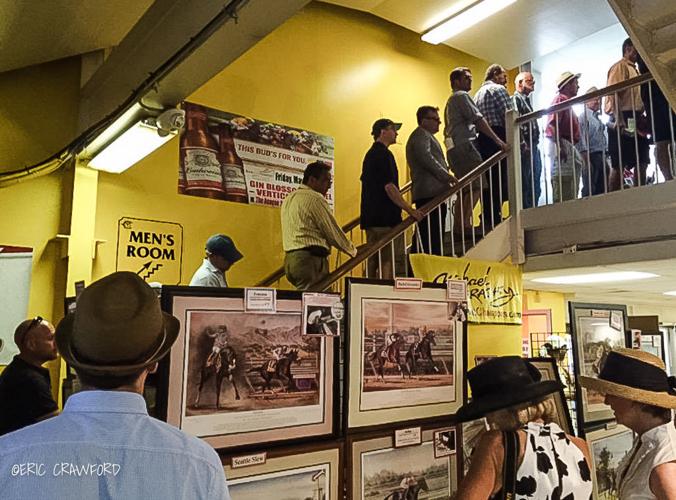
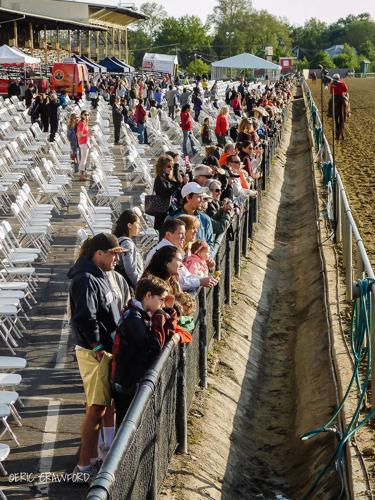
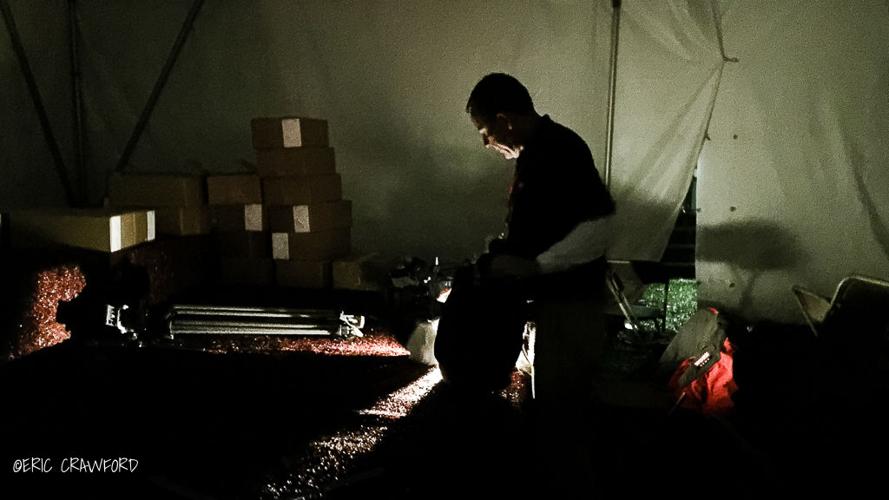
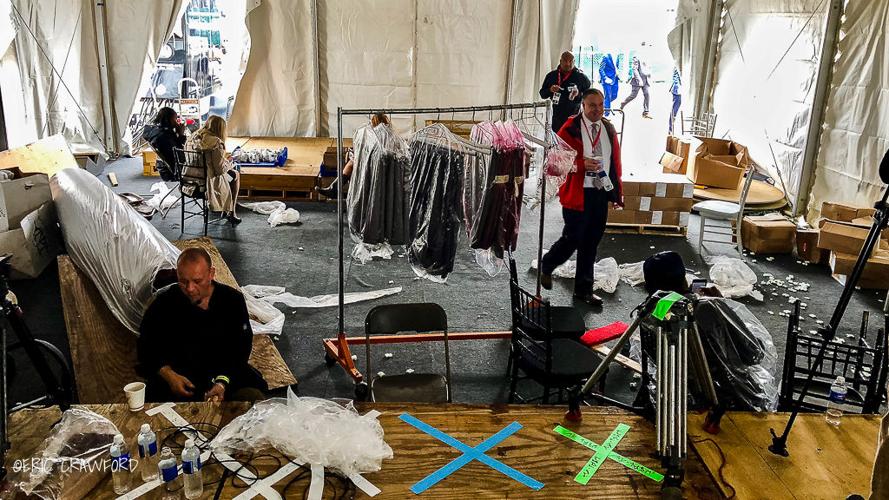
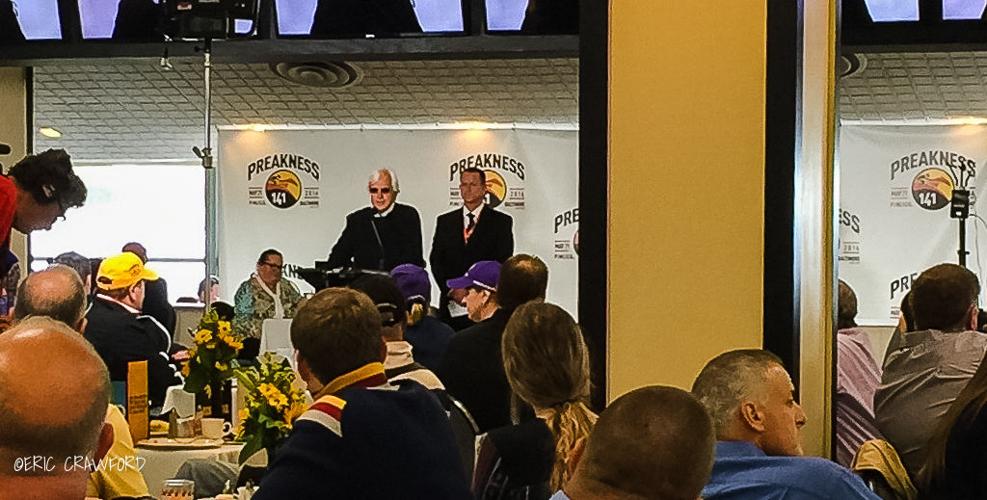
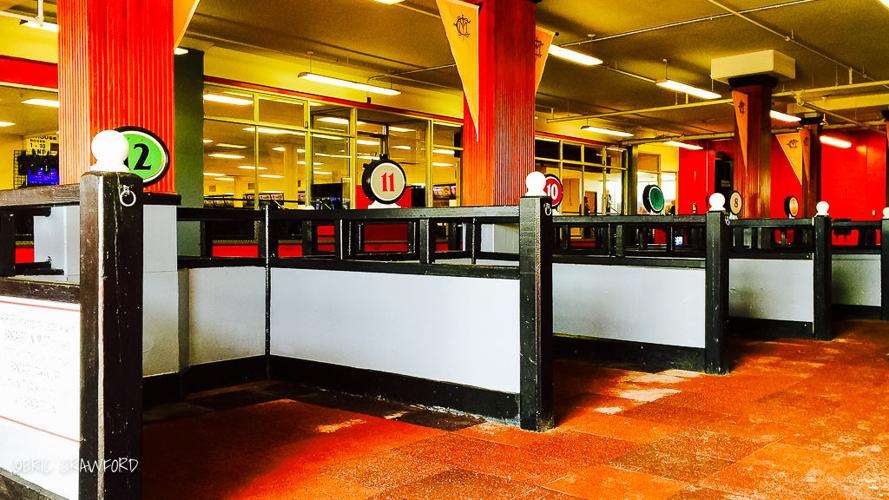
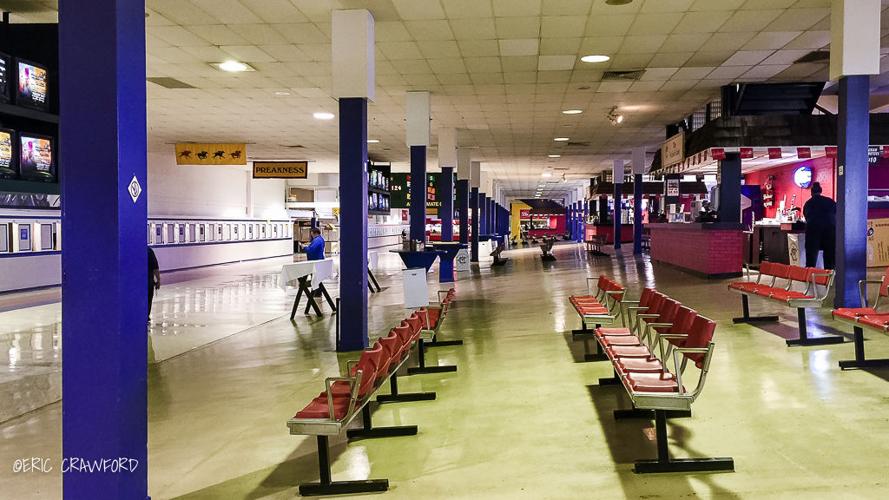
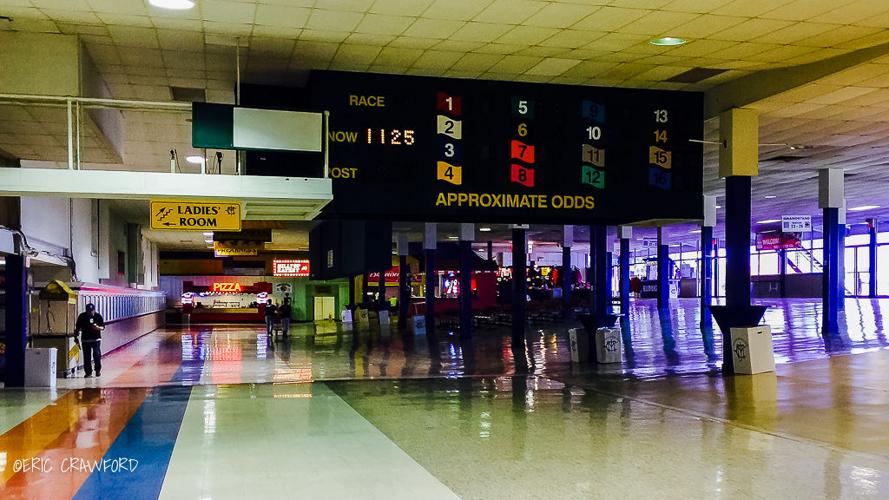
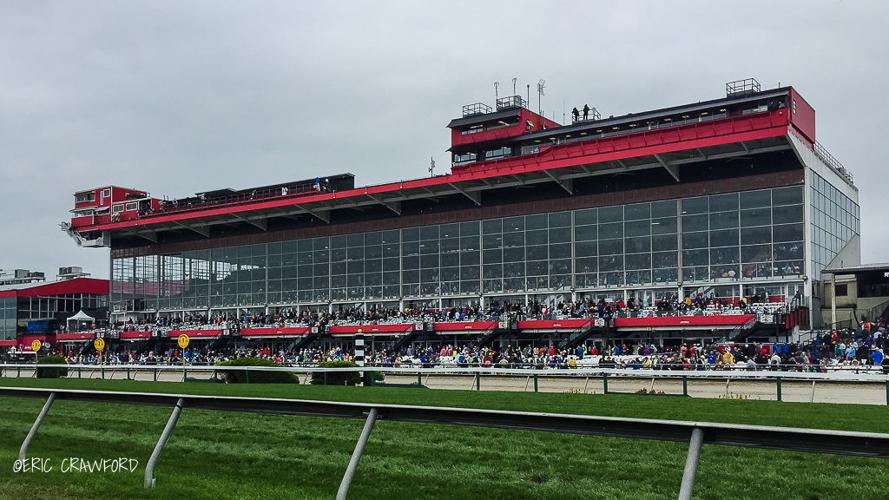
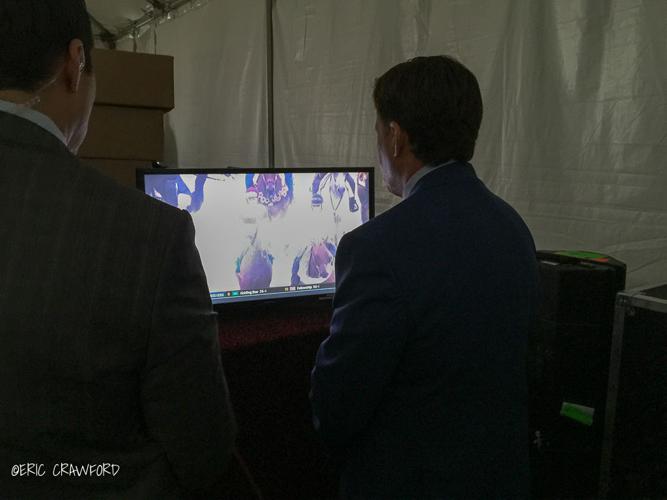
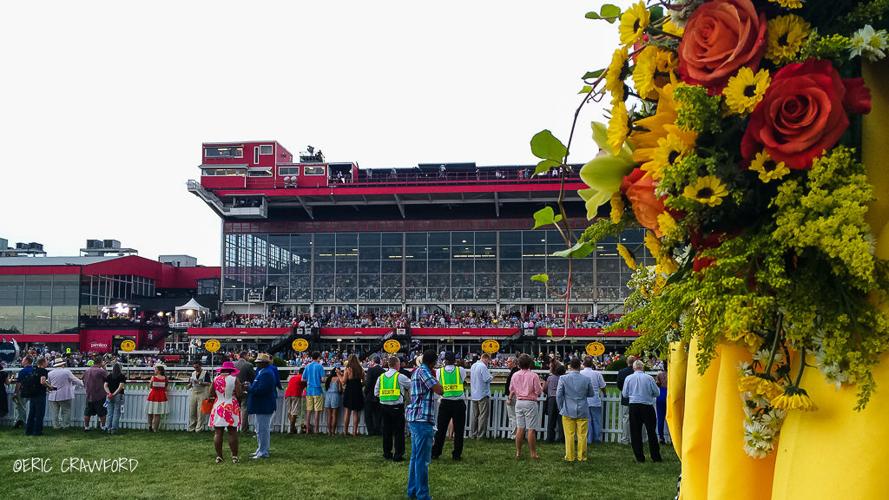
IMAGES | Pimlico's Plight: Scenes from Old Hilltop
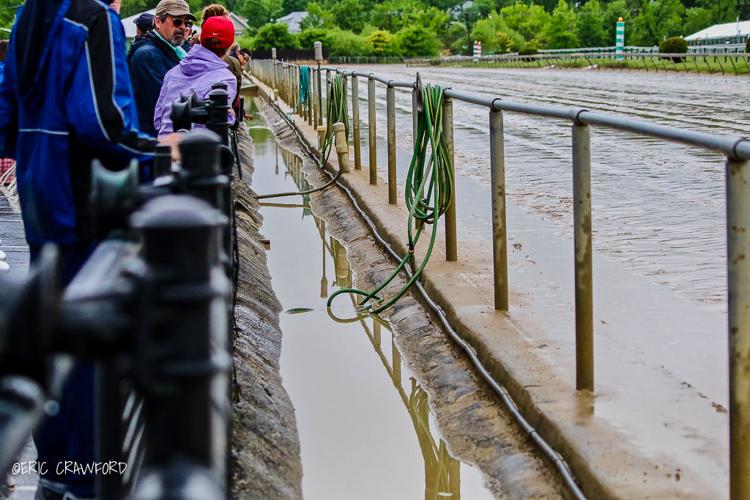
Fans watch along the outside rail at Pimlico Race Course during Preakness week, 2018.
And yes, there are more important things in the world than a horse race. Of course there are. Schools matter more. Infrastructure matters more. Public safety matters more.
But either the Preakness is an important state asset or it isn't.
And if it is important enough to justify hundreds of millions in redevelopment money to rebuild Pimlico and now potentially another $85 million in intellectual-property rights, then it is important enough to protect properly.
Churchill Downs understood that about the Kentucky Derby a long time ago. Sometimes aggressively. Sometimes commercially. Sometimes to excess. But Churchill never stopped treating the Derby like a major national property that required investment, presentation, maintenance and ambition.
The Preakness deserves that kind of thinking, too.
Not because it should become the Derby. It shouldn't.
The Preakness should remain itself. Slightly rougher. Slightly more intimate. Slightly more soulful.
But charm and decay are not the same thing. And for too long, racing leaders in Maryland allowed those two things to be confused
Maybe this moment changes that. Maybe Maryland stepping forward means the state has finally decided the Preakness is worth not just preserving, but elevating again.
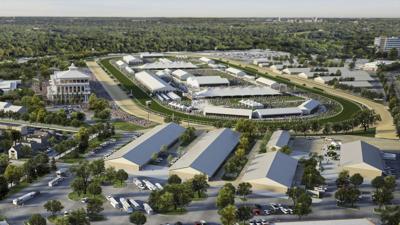
Pimlico is being rebuilt. Not bigger, but maybe better. The race will need to adapt to modern training methods before it returns there, which means moving to at least three weeks after the Derby. Those are the practical steps. They matter.
But so does something less tangible: the decision to treat this event like it deserves to survive.
Because beneath the cracked paint and temporary fixes and years of uncertainty, the Preakness has always remained what it was at its best, a great American sporting event. Wonderful, even when fraying.
Maryland has the chance now to stop letting it fray.
Polish the second jewel.
Copyright 2026 WDRB Media. All Rights Reserved.


